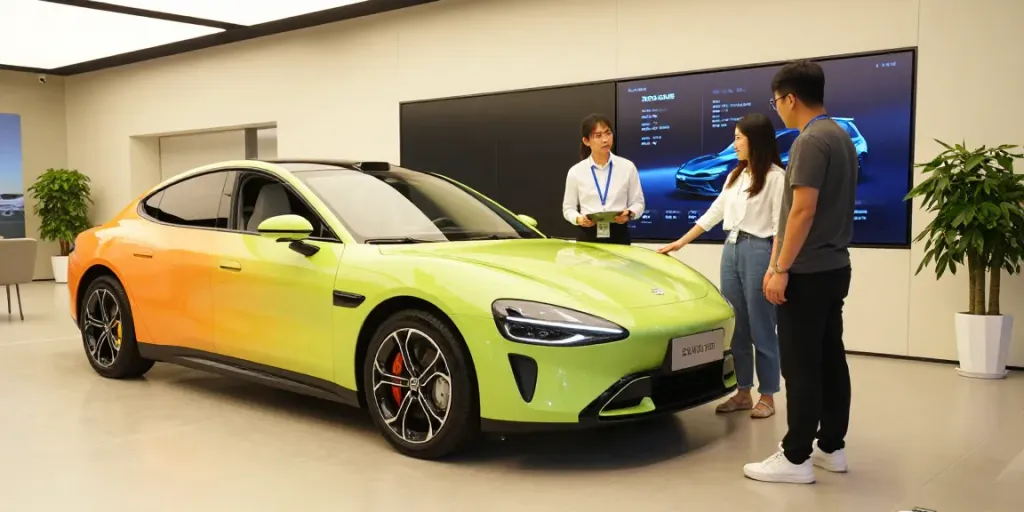
Understanding Electric Vehicles
As the automotive industry continues to evolve, electric vehicles (EVs) are taking center stage, particularly in regions like Indonesia where interest in sustainable transportation is rising. With advancements in technology and growing consumer awareness, understanding the nuances of electric vehicles, including their features and benefits, is essential for anyone considering a shift from traditional gasoline-powered cars. From the basics of how they operate to the differences between electric and hybrid models, this article will provide a comprehensive overview of the electric vehicle landscape as we move further into 2026.
When exploring options, https://experience-electrique.org/ provides comprehensive insights and resources that can guide you in your journey toward sustainable driving.
What are Electric Vehicles?
Electric vehicles are an innovative alternative to conventional cars, operating primarily on electricity stored in onboard batteries. Unlike traditional vehicles that rely on an internal combustion engine (ICE), EVs utilize electric motors, which deliver instant torque for immediate acceleration and a quieter driving experience. The two main types of electric vehicles are battery electric vehicles (BEVs) and plug-in hybrid electric vehicles (PHEVs). BEVs are entirely electric, while PHEVs combine a conventional gasoline engine with an electric motor, allowing for greater flexibility in fuel use.
The Evolution of Electric Vehicle Technology
The journey of electric vehicle technology has been fascinating. Initially developed in the 19th century, electric vehicles fell out of favor with the rise of gasoline-powered cars due to their range limitations and lack of infrastructure. However, the late 20th and early 21st centuries saw a resurgence driven by environmental concerns, advancements in battery technology, and government incentives. Innovations like lithium-ion batteries have significantly increased the range and efficiency of electric vehicles, making them a viable option for a broader audience.
Key Differences: Electric vs. Hybrid Vehicles
Understanding the differences between electric and hybrid vehicles is crucial for consumers. Electric vehicles run solely on electricity and depend on charging stations for power, while hybrid vehicles have both an internal combustion engine and electric motor, enabling them to switch between fuel sources. This distinction not only impacts performance but also influences maintenance needs, fuel efficiency, and emissions. For instance, while hybrids may offer better fuel economy than traditional cars, fully electric vehicles produce zero tailpipe emissions, underscoring their environmental advantages.
Market Trends in Electric Mobility
Growth Projections for 2026 and Beyond
Analysts project that the electric vehicle market will continue to grow exponentially, with global sales expected to surpass 20 million units annually by 2026. Factors contributing to this growth include increased production of affordable EV models, expanded charging infrastructure, and heightened awareness of climate change among consumers. As battery technology improves and costs decrease, EVs are becoming more accessible to the average consumer, paving the way for wider adoption.
Consumer Preferences and Insights
Today's consumers are more informed and eco-conscious than ever before. Surveys indicate that many consumers now view electric vehicles as a positive reflection of their values. Preferences are shifting toward vehicles that not only fit their lifestyle but also align with their desire for sustainability. Additionally, consumers are increasingly interested in the performance and technological features of electric vehicles, such as regenerative braking and advanced connectivity options.
Impact of Government Policies on Electric Vehicles
Government initiatives play a crucial role in shaping the electric vehicle market. Policies like tax incentives for EV purchases, subsidies for electric vehicle charging infrastructure, and emissions regulations push both manufacturers and consumers toward greener options. Countries like Indonesia are beginning to implement frameworks aimed at increasing electric vehicle adoption, enhancing local production capabilities, and providing consumers with the necessary support to transition to electric mobility.
Choosing the Right Electric Vehicle
Factors to Consider When Buying an Electric Vehicle
When deciding to purchase an electric vehicle, several factors come into play:
- Range: Assess how far you typically drive daily and consider the EV's range on a full charge.
- Charging Options: Determine if you can install a home charger or if you’ll rely on public charging stations.
- Incentives: Research local and federal incentives that can lower the cost of ownership.
- Brand Reliability: Look into manufacturers known for their commitment to electric vehicle technology.
Comparative Features of Popular Electric Models
As the electric vehicle market expands, various models cater to diverse consumer needs. Notable models in 2026 include:
- Tesla Model 3: Renowned for its impressive range and tech features.
- Nissan Leaf: A pioneer in the mass-market EV segment with a practical design.
- Ford Mustang Mach-E: A sporty option that combines performance and utility.
- Hyundai Kona Electric: Offers excellent value and a robust set of features.
Financial Incentives and Rebates Available
Financial incentives can significantly reduce the cost of purchasing an electric vehicle. Buyers should explore both national and local programs, which may offer tax credits, rebates, and grants specifically for electric vehicle purchases and installations of charging infrastructure. Understanding these benefits is vital for maximizing financial savings and offsetting the higher initial costs typical of electric vehicles.
Charging Infrastructure and Technologies
Types of Electric Vehicle Chargers Explained
Charging solutions for electric vehicles vary, with three primary types of chargers available:
- Level 1 Chargers: These use standard household outlets and are best for home charging, providing a slow charge.
- Level 2 Chargers: Typically found in public charging stations, these employ a 240-volt outlet and offer faster charging times.
- DC Fast Chargers: These are designed for rapid charging, allowing vehicles to charge to 80% in about 30 minutes, making them ideal for long trips.
Future of Charging Technology
The future of electric vehicle charging technology looks promising. Developments include wireless charging systems, ultra-fast charge stations, and advancements in battery technology, which will enhance the efficiency of charging processes. As infrastructure improves, range anxiety—the fear of running out of battery power—will be further mitigated, making electric vehicles more appealing to a broader audience.
Best Practices for Home Charging Setup
For those investing in electric vehicles, establishing an efficient home charging setup is crucial. Key practices include:
- Installing a dedicated 240-volt charging unit for faster charging speeds.
- Regularly checking the usability of your home electrical system to accommodate the charger.
- Considering smart charging solutions that allow you to charge during off-peak hours, saving on energy costs.
Future of Electric Vehicles in Indonesia
Innovations in Electric Vehicle Technology
Indonesia's electric vehicle landscape is set for transformative changes in the coming years, driven by local innovations aimed at improving vehicle performance and affordability. Companies are investing in research and development to create batteries that charge faster and last longer while also being more sustainable. Continued innovation will ensure that Indonesia remains competitive in the global electric vehicle market.
Challenges Ahead for Electric Mobility
Despite its potential, the path to widespread electric vehicle adoption in Indonesia is not without challenges. Key obstacles include the limited availability of charging infrastructure, high initial costs, and consumer misconceptions about electric vehicles. Addressing these challenges through policy reforms, infrastructure improvements, and public awareness campaigns will be essential for fostering a supportive environment for electric mobility.
How to Stay Informed with https://experience-electrique.org/
For those interested in the latest trends and updates in electric vehicle technology, it is crucial to stay informed. Websites like https://experience-electrique.org/ not only provide news but also valuable insights into the evolving electric vehicle landscape, helping consumers make informed decisions.
What are the benefits of electric vehicles?
Electric vehicles offer numerous benefits, including reduced emissions, lower operating costs due to fewer moving parts, and potential savings on fuel. Additionally, many governments provide incentives that further decrease the total cost of ownership. EVs also contribute to lower noise pollution and can enhance energy independence by relying on local energy sources.
How can I find charging stations for electric vehicles?
Finding charging stations is easier than ever with various smartphone apps and online maps dedicated to locating EV chargers. Many EV manufacturers also provide integrated navigation systems that highlight nearby charging stations along your route, ensuring that you can recharge when necessary.
What is the difference between hybrid and electric vehicles?
The primary difference between hybrid and electric vehicles lies in their power sources. Hybrid vehicles utilize both a gasoline engine and an electric motor, while electric vehicles run exclusively on electricity. This distinction impacts everything from range to maintenance requirements, making it essential for consumers to consider their usage patterns when choosing between the two.
What are the latest trends in electric vehicle technology?
Recent trends in electric vehicle technology include advancements in battery efficiency, increased range capabilities, and the incorporation of artificial intelligence for better driving experiences. Companies are also exploring the potential for vehicle-to-grid technologies, where electric cars can act as energy storage solutions for homes and businesses.
How can I choose the best electric vehicle for my needs?
Choosing the right electric vehicle involves assessing your driving habits, budget, and desired features. Prospective buyers should evaluate the total cost of ownership, including charging options and any available incentives. Test driving various models will also help identify which vehicle best meets both your practical needs and personal preferences.